Industry Insights
Finance Magnates London 2026: The Future of Trading
From artificial intelligence and trading platforms to fintech innovation and financial education, Finance Magnates London 2026 offered a glimpse into the future of the trading industry. We explore the key developments and what they could mean for independent retail traders.
Published 25 November 2026 · 7 min read

Artificial intelligence, evolving trading platforms and new approaches to financial education were among the themes at Finance Magnates London Summit 2026. Daily Trading Platform attended the event at Old Billingsgate to explore the technologies shaping financial markets and consider what they could mean for independent retail traders.
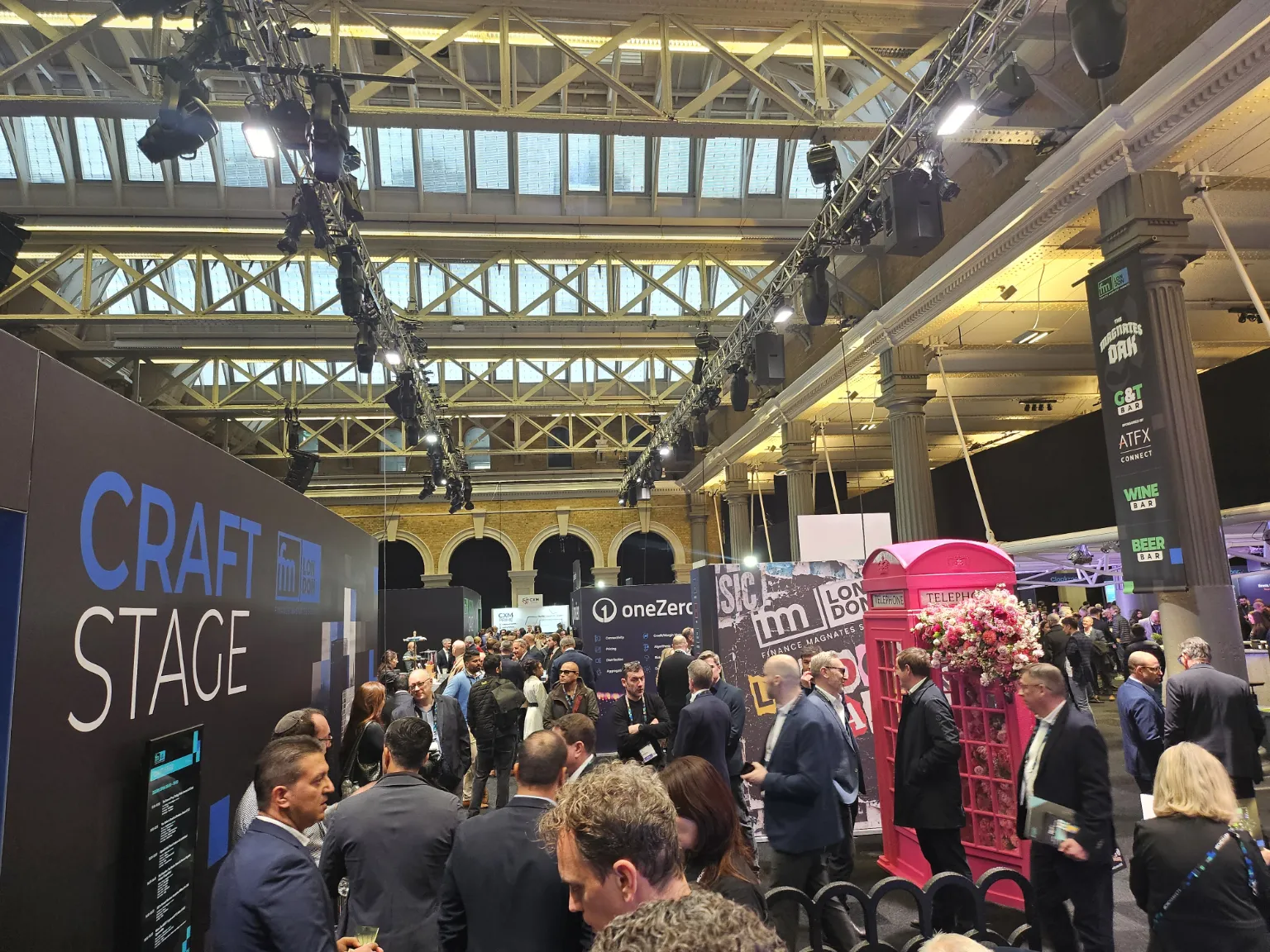
Held on 24 November at London's historic Old Billingsgate, Finance Magnates London brought together brokers, technology providers, liquidity specialists, fintech developers and trading industry professionals.
The exhibition floor reflected the breadth of the modern trading industry. Alongside familiar trading platforms and brokerage infrastructure providers were businesses developing AI-powered services, payment solutions, market connectivity and new approaches to financial technology.
For retail traders, much of this infrastructure operates behind the scenes. Yet the technology being developed and discussed at events like this can ultimately influence the platforms, tools and services available to individual traders.
Several themes stood out.
Artificial Intelligence: From Trading Assistants to Autonomous Systems
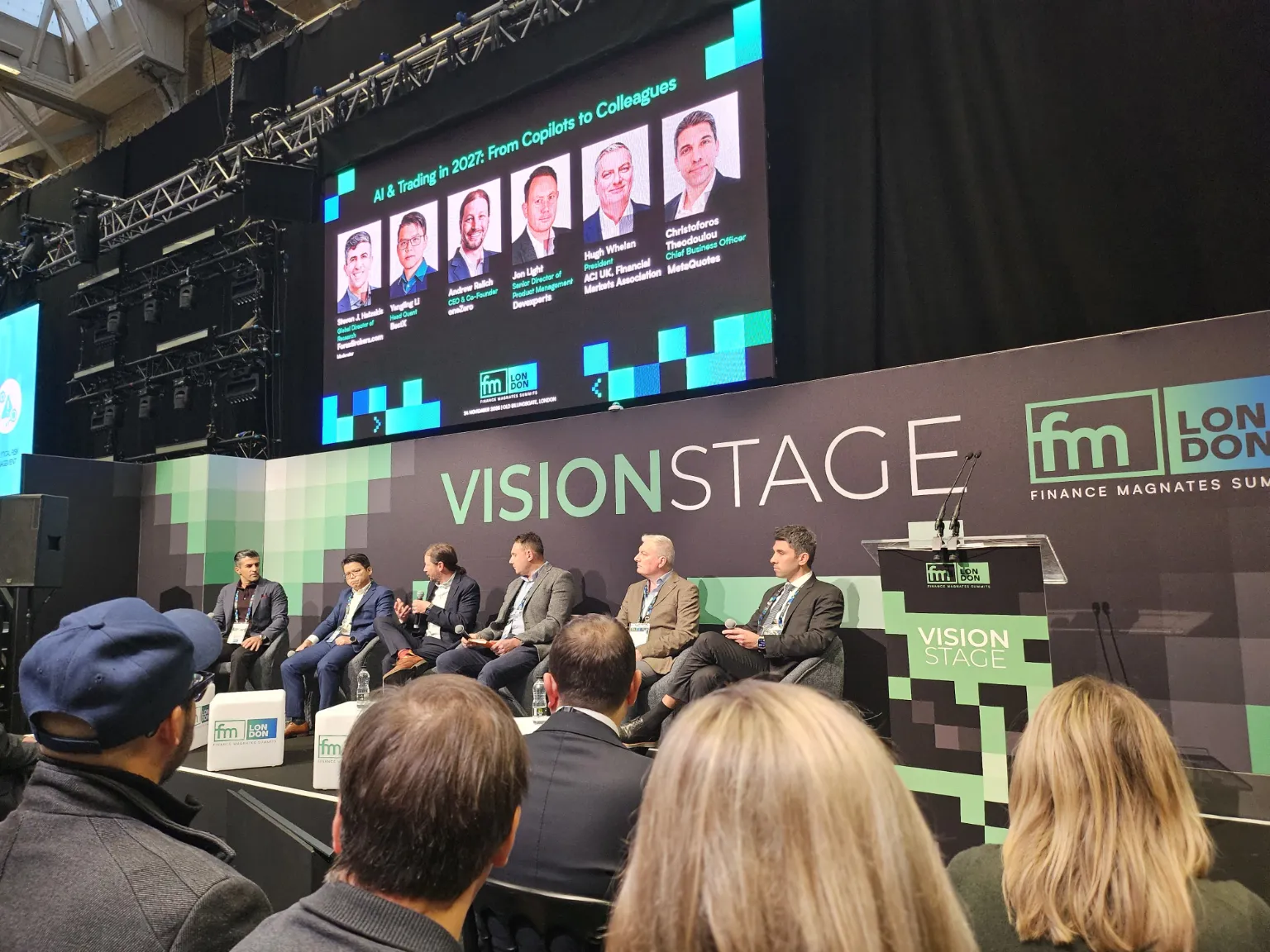
One of the day's most relevant discussions took place on the Vision Stage, where an industry panel explored "AI & Trading in 2027: From Copilots to Colleagues."
The session brought together representatives from across financial technology, including MetaQuotes, to consider how artificial intelligence could change the relationship between traders, financial institutions and their software.
The distinction between an AI copilot and an autonomous system is particularly important.
An AI copilot assists a human user. It might analyse market information, identify potential trading opportunities, summarise economic developments or help interpret technical conditions.
An autonomous AI system goes further, potentially making decisions and initiating actions with reduced human involvement.
For retail trading, this raises some interesting possibilities.
AI could eventually help traders monitor multiple currency pairs, identify changes in market structure, recognise recurring technical patterns and evaluate potential setups against predefined trading rules.
However, there is a significant difference between identifying a potential opportunity and deciding whether to risk real money.
A system capable of analysing a chart is not necessarily capable of understanding every market condition, unexpected event or operational risk.
The challenge is not simply making trading technology more intelligent. It is ensuring that its decisions remain understandable, controllable and accountable.
The Importance of Human Oversight
One observation from the conference was that the possibilities of AI received considerable attention, while questions around governance, responsibility and practical safeguards appeared less prominent.
These questions will become increasingly important as AI systems move beyond analysis and towards automated decision-making.
Who is responsible when an autonomous trading system makes an unexpected decision? How should its actions be monitored? What controls should prevent excessive exposure or execution during unsuitable market conditions?
For independent traders, the most practical near-term application may be AI that supports decision-making rather than replaces it.
A disciplined trading process still requires a clearly defined strategy, appropriate risk management and an understanding of when market conditions do not justify entering a trade.
AI may improve the information available to traders, but it does not remove uncertainty from financial markets.
Trading Platforms and the Technology Behind Them
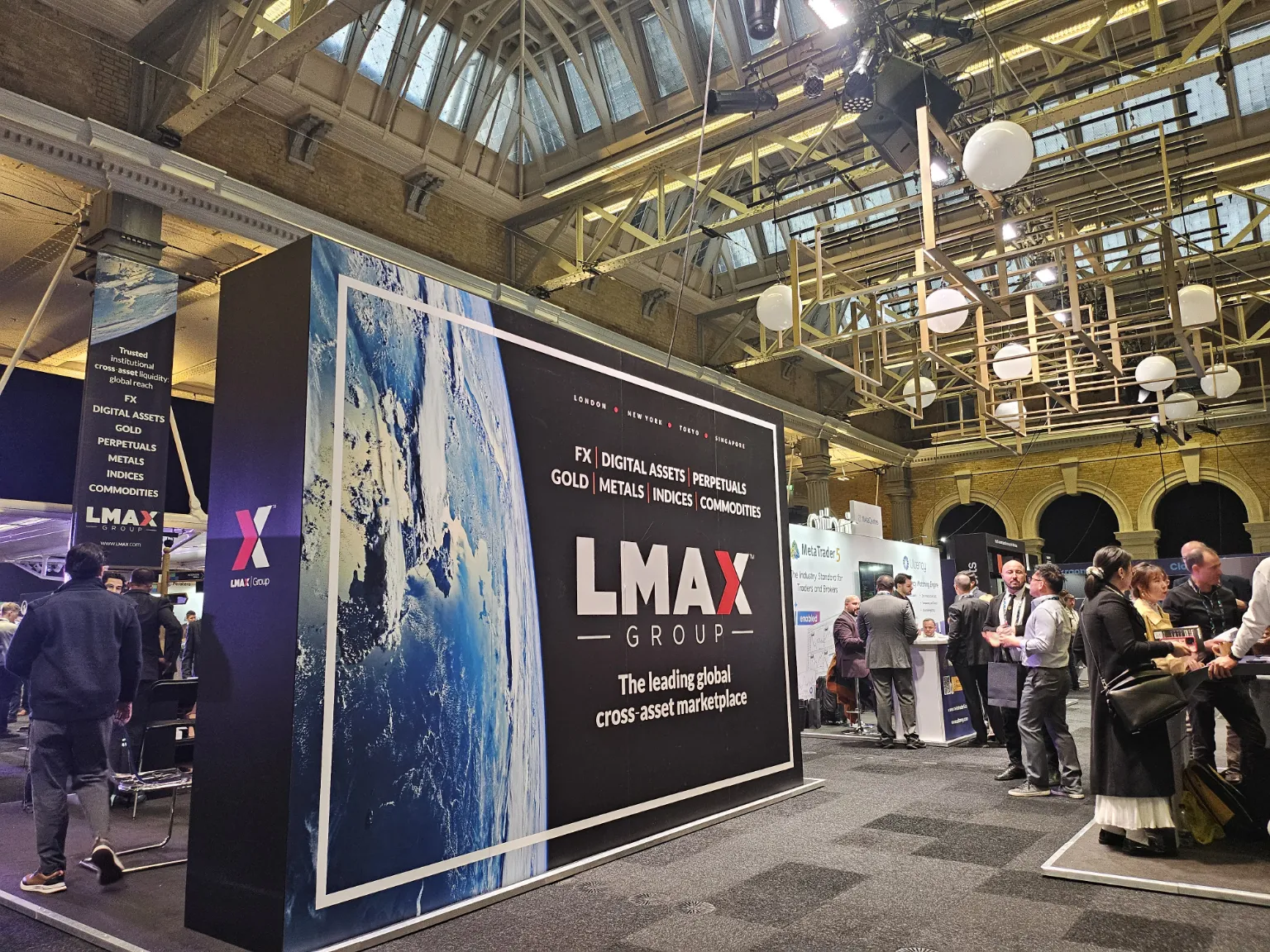
Another important area was the continued development of trading platforms and their supporting infrastructure.
MetaTrader 5 remains a familiar environment for many retail traders, particularly those using technical indicators, automated strategies and Expert Advisors.
At the summit, Daily Trading Platform spoke with representatives from MetaQuotes about MT5, its development environment and the wider commercial and technical considerations surrounding the platform.
For traders developing their own tools, the reliability of strategy testing and the ability to integrate different technical components remain important considerations.
The growing interest in AI also introduces questions about how established trading platforms might interact with increasingly sophisticated external systems.
Potential applications include automated market monitoring, AI-assisted technical analysis and more advanced connections between trading platforms and third-party services.
These possibilities are interesting, although it is important to distinguish current platform capabilities from potential future developments.
Beyond the Trading Terminal
The exhibition also demonstrated how much technology sits behind the trading interface.
Liquidity providers, execution infrastructure, market connectivity specialists and brokerage technology companies all contribute to the systems through which trading activity takes place.
For retail traders, understanding this broader environment can help explain why execution quality, spreads, slippage and market liquidity matter.
A trading strategy does not operate in isolation. Its results can be influenced by the quality of the execution environment as well as the accuracy of the trader's analysis.
AI-Powered Analysis and New Trading Tools
Conversations with technology providers highlighted the increasing interest in combining established charting platforms with AI-assisted analysis.
Among the discussions was an introduction to technology associated with Helio and Fintake, including TradingView integration and AI-supported chart interpretation.
These types of tools illustrate a broader direction in financial technology: making market information easier to interpret and bringing analysis closer to the trader's existing workflow.
For example, AI-assisted chart analysis could help identify technical structures, highlight changes in price behaviour or provide explanations of market conditions.
The potential benefit is accessibility. Less experienced traders may find it easier to understand what is happening on a chart when technical information is presented in clear, structured language.
However, automated interpretation should not be confused with reliable prediction.
A useful trading tool should help users understand the evidence behind an observation, rather than simply produce a bullish or bearish conclusion.
Transparency, consistency and the ability to challenge an automated assessment will be important measures of quality.
Financial Education and the Next Generation of Fintech
The Craft Stage provided a different perspective through presentations associated with the event's hackathon.
Teams presented technology concepts to industry judges, demonstrating how financial services might become more accessible, engaging and relevant to different audiences.
One presentation explored a retro-style browser game designed to teach young people about money through interactive challenges.
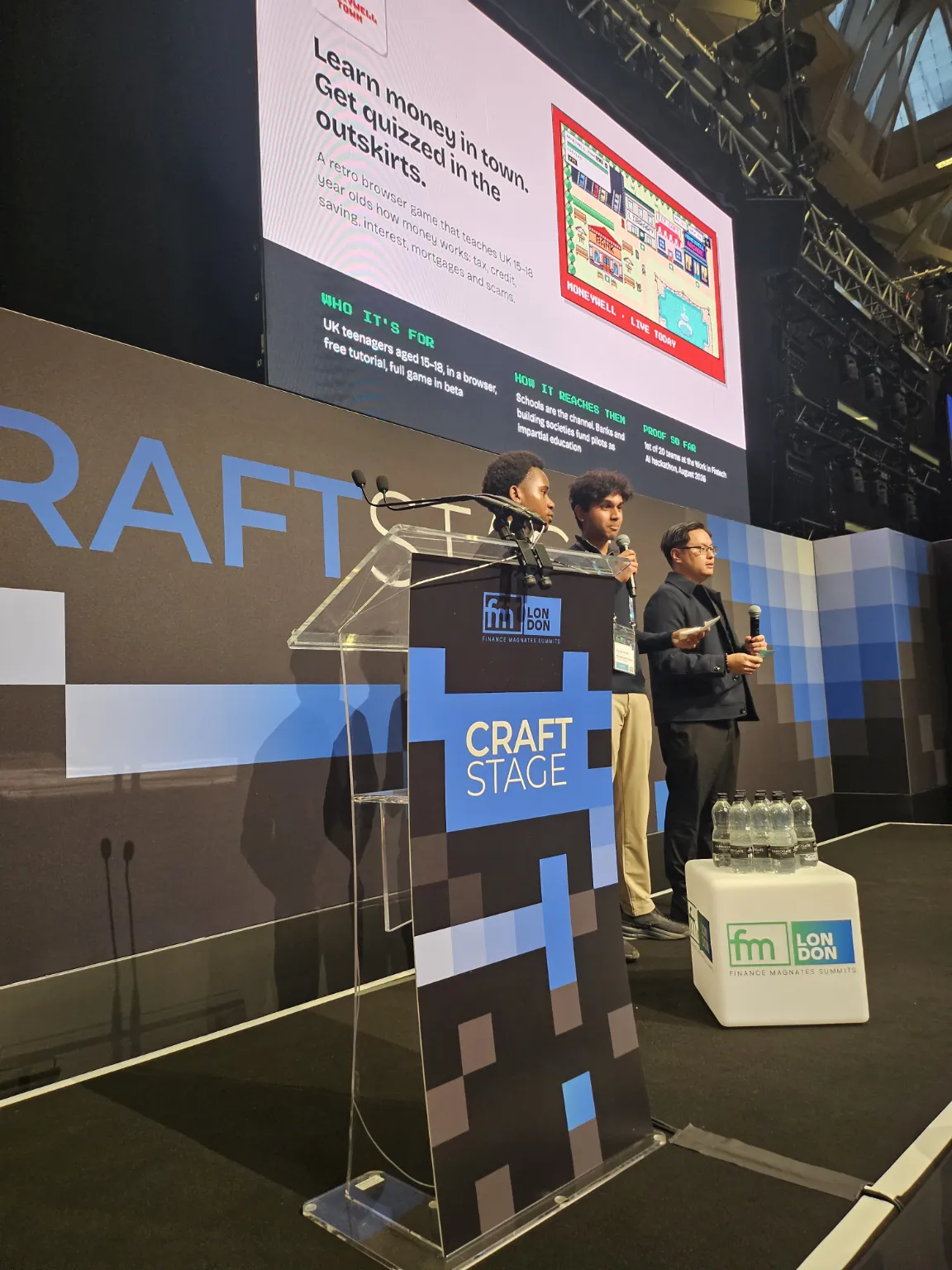
The concept focused on financial literacy, introducing subjects such as saving, interest, tax and credit through gameplay rather than conventional lessons.
Although distinct from trading education, the underlying principle is relevant.
People often learn more effectively when they can apply concepts, make decisions and understand the consequences.
In trading, the same principle can be applied through simulated environments, practical examples, trade journals and structured performance reviews.
Learning the definition of a technical indicator is useful. Understanding how that indicator behaves during different market conditions, and reviewing the outcome of decisions based on it, is considerably more valuable.
The hackathon also highlighted the potential for smaller development teams to experiment with ideas that established financial institutions might approach more cautiously.
Not every concept will become a successful commercial product, but experimentation remains an important part of technological progress.
AEO: How Financial Information Is Being Discovered
A further topic of interest was Answer Engine Optimisation, or AEO.
The presentation "AEO in Financial Services: Acquisition Without the Click" addressed a significant change in how people discover information online.
Traditional search engines typically present users with links to websites. AI-powered search experiences increasingly provide direct answers, often combining information from multiple sources.
For publishers of financial education and market analysis, this creates both opportunities and challenges.
A website may provide valuable information that contributes to an AI-generated answer without necessarily receiving a corresponding visit.
That changes the relationship between visibility, authority and website traffic.
For independent educational platforms, the implications are particularly relevant.
Clear explanations, original analysis, transparent authorship and well-organised information may become increasingly important as AI systems evaluate which sources to reference.
However, being accessible to AI systems does not guarantee that a website will be cited or recommended.
The industry is still developing methods for measuring visibility within AI-generated responses, and traditional website analytics do not necessarily capture the full picture.
For financial publishers, the objective should remain consistent: produce accurate, useful information that readers can understand and trust, regardless of how they discover it.
What Does This Mean for Retail Traders?
Although Finance Magnates London is primarily an industry event, several developments have direct implications for independent traders.
First, AI-assisted trading tools are likely to become more sophisticated. Traders may gain access to increasingly capable systems for monitoring markets, interpreting technical conditions and reviewing trading performance.
Second, established trading platforms will remain important. New AI capabilities need reliable market data, execution systems and practical integration with existing trading environments.
Third, education must develop alongside technology. More powerful tools do not automatically produce better decisions. Understanding risk, market behaviour and the limitations of automated analysis remains essential.
Finally, transparency will matter. Traders should be able to distinguish between tools that provide useful analytical support and those that make unrealistic claims about predictive accuracy or profitability.
Technology can improve the trading process, but it cannot eliminate the uncertainty inherent in financial markets.
Looking Ahead
Finance Magnates London 2026 offered a useful perspective on an industry undergoing technological change.
Artificial intelligence was a prominent theme, but the event also demonstrated the continuing importance of trading infrastructure, platform development, financial education and the businesses supporting global market access.
Perhaps the most interesting development is the gradual convergence of these areas.
Trading platforms, AI systems, educational resources and performance analysis tools are becoming more closely connected.
For independent retail traders, the opportunity is not necessarily to automate every decision. It is to use these developments to build a more informed, structured and measurable approach to trading.
At Daily Trading Platform, that remains the central principle: better trading begins with better information, disciplined decisions and a willingness to learn from experience.
Daily Trading Platform attended Finance Magnates London Summit 2026 on 24 November at Old Billingsgate, London. This article reflects observations from the event and broader analysis of the technologies discussed. It is intended for educational and informational purposes, not as financial advice.